
For jewelry retailers and e-commerce brands, the packaging is more than just a container—it’s a critical component of the product’s perceived value and safety. At Huzhou Aopa Industry Co., Ltd, we manufacture both cotton filled and velvet-lined jewelry boxes daily, and this comparison guide shares our production expertise to help you choose the right insert for your products. When choosing between cotton filled jewelry boxes vs velvet lined rigid boxes, many B2B buyers find themselves at
Cotton Filled vs Velvet Jewelry Boxes: What Is the Difference?
The cotton filled vs velvet jewelry boxes comparison centers on protection level, perceived value, and cost structure. Cotton filled vs velvet jewelry boxes represent two distinct tiers in jewelry packaging: cotton-filled offers classic simplicity at lower cost, while velvet-lined delivers luxury aesthetics with superior protection. For retailers deciding between cotton filled vs velvet jewelry boxes, the choice depends on product value, target customer, and brand positioning—each factor tips the balance toward one style or the other.
But which one actually protects your jewelry better? At Huzhou Aopa Industry Co., Ltd., we have spent 18 years manufacturing both styles for global brands. In this guide, we’ll break down the technical and aesthetic differences to help you make the right choice for your collection.
What are cotton filled jewelry boxes?
Cotton filled jewelry boxes are a staple in the industry, often referred to as “cardboard jewelry boxes.” They consist of a two-piece paperboard box (a lid and a base) filled with a thick layer of non-tarnishing cotton-like fiber.
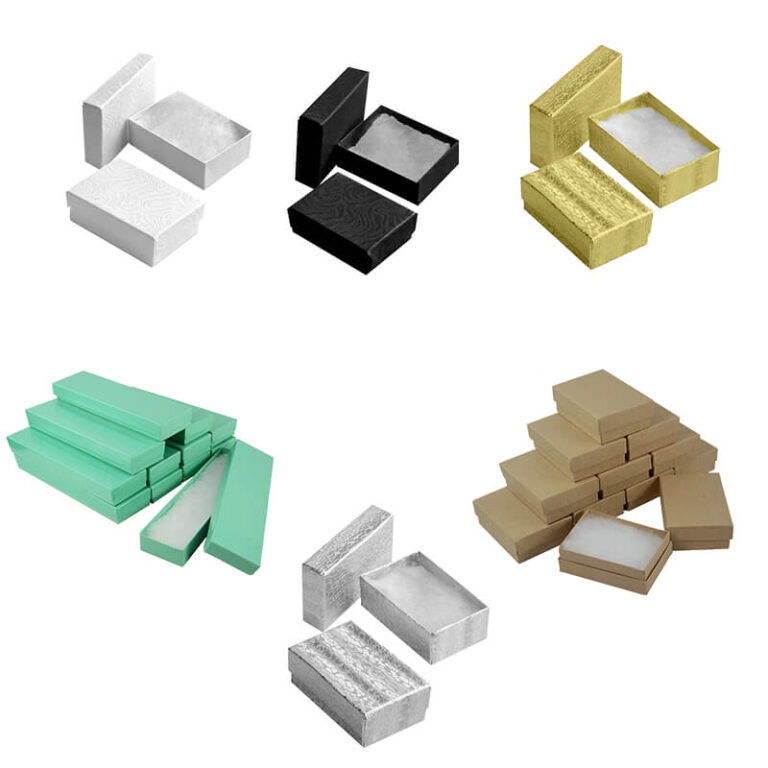
The “cotton” is typically a synthetic or natural fiber padding designed to cushion the jewelry and prevent it from shifting. These boxes are favored by boutique owners and makers who want an eco-friendly, minimalist, and affordable solution.
What are velvet-lined rigid boxes?
Velvet-lined boxes are a tier above in terms of construction. These are typically “rigid boxes” (set-up boxes) made from heavy-duty chipboard. The interior is fitted with an insert—usually foam or plastic—covered in a soft velvet or microfiber fabric.
These boxes often feature more complex opening mechanisms, such as hinges, magnetic closures, or a sliding drawer design. They are the go-to choice for fine jewelry, engagement rings, and luxury watches.
How do they compare in terms of physical protection?
Shock Absorption and Impact Resistance
When it comes to pure impact protection, velvet-lined boxes with foam inserts generally perform better. The dense EVA or PU foam used under the velvet provides a structured environment that absorbs shock during transit. If a box is dropped, the foam holds the jewelry securely in place.
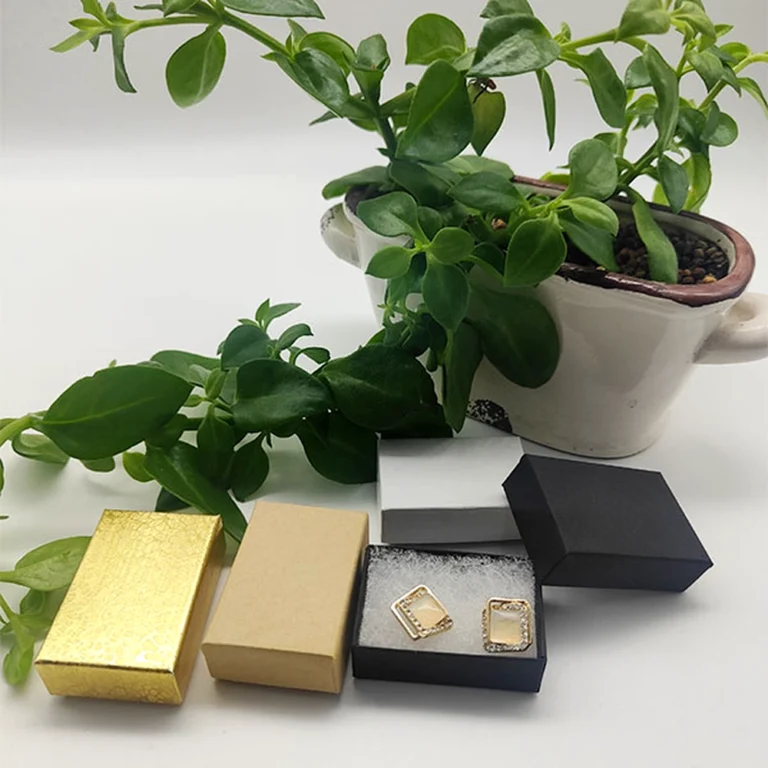
In contrast, the padding in cotton filled jewelry boxes is loose. While it provides excellent scratch protection, it may allow heavier pieces of jewelry to shift during rough handling.
Scratch Prevention
Both options excel at scratch prevention. The soft fibers of the cotton and the plush surface of the velvet are both designed to be non-abrasive. However, velvet is often considered “cleaner” for high-polish surfaces, as it doesn’t shed tiny fibers that might cling to a diamond or a polished gold band.
Cotton filled jewelry boxes vs velvet lined: Which prevents tarnish better?
Tarnish is the biggest enemy of silver and low-karat gold jewelry.
* Cotton Filled: Most high-quality cotton inserts are specifically treated to be “anti-tarnish.” This is a massive advantage for silver jewelry. The fibers absorb sulfur and other airborne chemicals that cause oxidation.
* Velvet Lined: Velvet itself doesn’t naturally prevent tarnish unless it is specifically treated. In fact, some low-quality glues used to attach velvet to the inserts can actually accelerate tarnishing (a process known as “outgassing”).
If you are selling sterling silver, the anti-tarnish properties of a high-quality cotton filled box might actually make it the “better protector” for long-term storage.
Which box offers a better branding experience?
Packaging is the first physical touchpoint for your customer.
- The Luxury Factor: Velvet-lined boxes are synonymous with “premium.” The weight of the box, the soft texture of the lining, and the “snap” of a magnetic closure create an emotional connection with the customer.
- The Eco-Friendly Appeal: Modern consumers are increasingly wary of plastics. Cotton filled boxes, being primarily made of recycled paper and natural fibers, appeal to the “conscious consumer.” They feel organic and authentic.
- Customization: While both can be customized, velvet-lined boxes offer more options for internal branding, such as gold foil stamping on the inside of the lid, which is not possible with cotton padding.
A cost-benefit analysis for B2B buyers
For high-volume retailers, the price difference is significant.
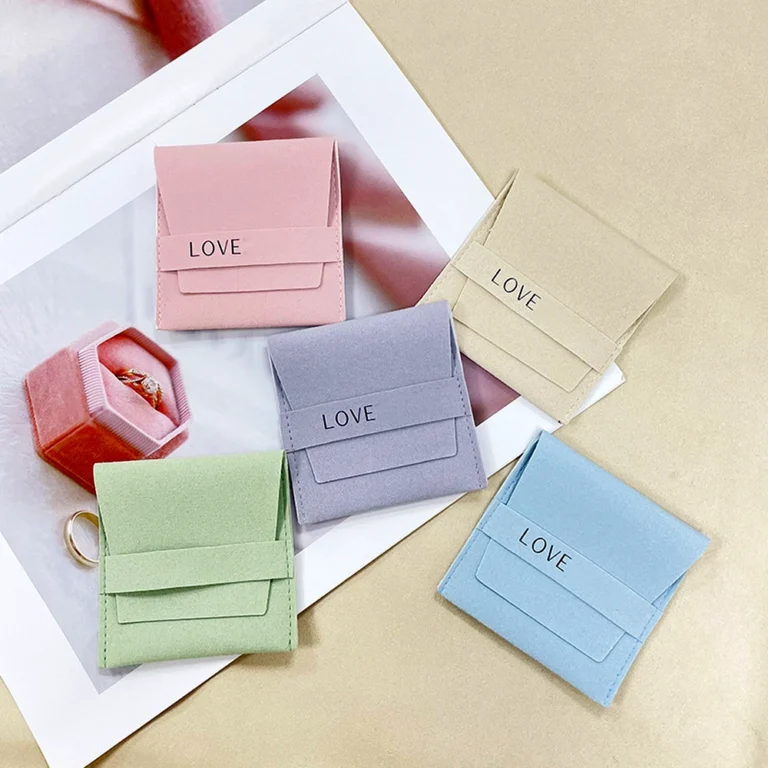
* Cotton Filled Boxes: These are highly economical. They are lightweight, reducing inbound shipping costs, and have a lower unit price. They are ideal for costume jewelry, silver pieces, and high-volume e-commerce sales.
* Velvet Lined Rigid Boxes: These require more labor to manufacture and are heavier. The “landed cost” (product price + shipping) is higher. However, for items with a high retail price (over $100 USD), the investment in velvet packaging is often recovered through higher brand loyalty and lower return rates.
Which should you choose for your jewelry?
Choose Cotton Filled Boxes if:
* You sell silver or fashion jewelry that is prone to tarnishing.
* Your brand identity is centered around “handmade,” “eco-friendly,” or “minimalist” aesthetics.
* You need to keep your packaging costs under $0.50 – $1.00 per unit for bulk orders.
Choose Velvet Lined Rigid Boxes if:
* You sell high-end fine jewelry or luxury watches.
* Your products are heavy or fragile and need a structured foam insert.
* You want to create a “keepsake” box that customers will keep for years.
Why source jewelry boxes from Aopa Packaging?
Further Reading: GIA Gemological Institute — jewelry protection and display standards
Key Takeaways about cotton filled vs velvet jewelry boxes: Understanding cotton filled vs velvet jewelry boxes is essential for making informed B2B packaging decisions. Whether you are evaluating cotton filled vs velvet jewelry boxes options for the first time or optimizing your current cotton filled vs velvet jewelry boxes strategy, the right choice impacts your brand perception, cost structure, and market access.
Whether you decide on the classic appeal of cotton filled jewelry boxes or the opulent feel of velvet-lined rigid boxes, Huzhou Aopa Industry Co., Ltd. is your expert partner. As an FSC-certified manufacturer, we ensure that your packaging is not only beautiful but also ethically sourced.
We offer:
* Custom Sizing: Perfectly fitted to your jewelry sets.
* Anti-Tarnish Materials: Rigorously tested to protect your precious metals.
* 18 Years of Expertise: We understand the nuances of the US and European jewelry markets.
Looking for a sample?
Contact Huzhou Aopa Packaging today to discuss your jewelry packaging needs. FSC certified, 18 years of factory expertise. We can provide physical samples of both cotton filled and velvet-lined options so you can see the difference for yourself.
Frequently Asked Questions
What is the difference between cotton filled and velvet jewelry boxes?
Cotton filled jewelry boxes use non-woven cotton pads for cushioning—cost-effective and eco-friendly. Velvet jewelry boxes feature plush velvet lining for a premium feel. Cotton filled vs velvet jewelry boxes differ in price (cotton 30–40% cheaper), perceived value, and target market.
Which jewelry box lining is better for e-commerce brands?
Cotton filled vs velvet jewelry boxes for e-commerce: cotton-filled boxes are lighter (lower shipping cost), more sustainable, and adequate for most online jewelry sales. Velvet is preferred for luxury DTC brands where unboxing video content drives social proof.
Can I customize cotton filled vs velvet jewelry boxes with my logo?
Both cotton filled and velvet jewelry boxes support custom logo hot-stamping, embossing, or debossing. Cotton-filled boxes offer logo printing on the cotton pad. Velvet boxes accept foil stamping on the velvet surface or the outer rigid shell. Explore our cotton filled jewelry boxes for your next project.